How Long Does It Really Take to Improve Domain Rating?
Most guides dodge the actual timeline question. This one doesn't: here's the real range for DR movement, why the scale gets harder to climb the higher you go, and the specific factors — from referring domain velocity to niche competitiveness — that decide whether you're looking at months or years.

Most articles on this topic dodge the actual question. They'll walk you through link-building theory for ten paragraphs and never once commit to a number. So let's start with one: expect to see the first real movement in your Domain Rating within three to six months of consistent link-building. Meaningful authority, the kind that changes how you compete for competitive keywords, usually takes twelve to eighteen months.
That range isn't a hedge. It's the honest answer, because Domain Rating doesn't move on a fixed schedule. It moves based on what you do, how competitive your niche is, and where you're starting from.
What Domain Rating Actually Measures
Domain Rating, or DR, is a metric built by Ahrefs to estimate the strength of a website's backlink profile on a scale of 0 to 100. It's worth saying clearly: DR is not a Google metric. Google doesn't use it, rank based on it, or acknowledge it exists. It's an industry proxy, useful for comparisons, not a direct input into search rankings. People often confuse it with Moz's Domain Authority, which measures something similar but calculates it differently. Neither one should be treated as gospel. Both are estimates of link equity, not guarantees of traffic.
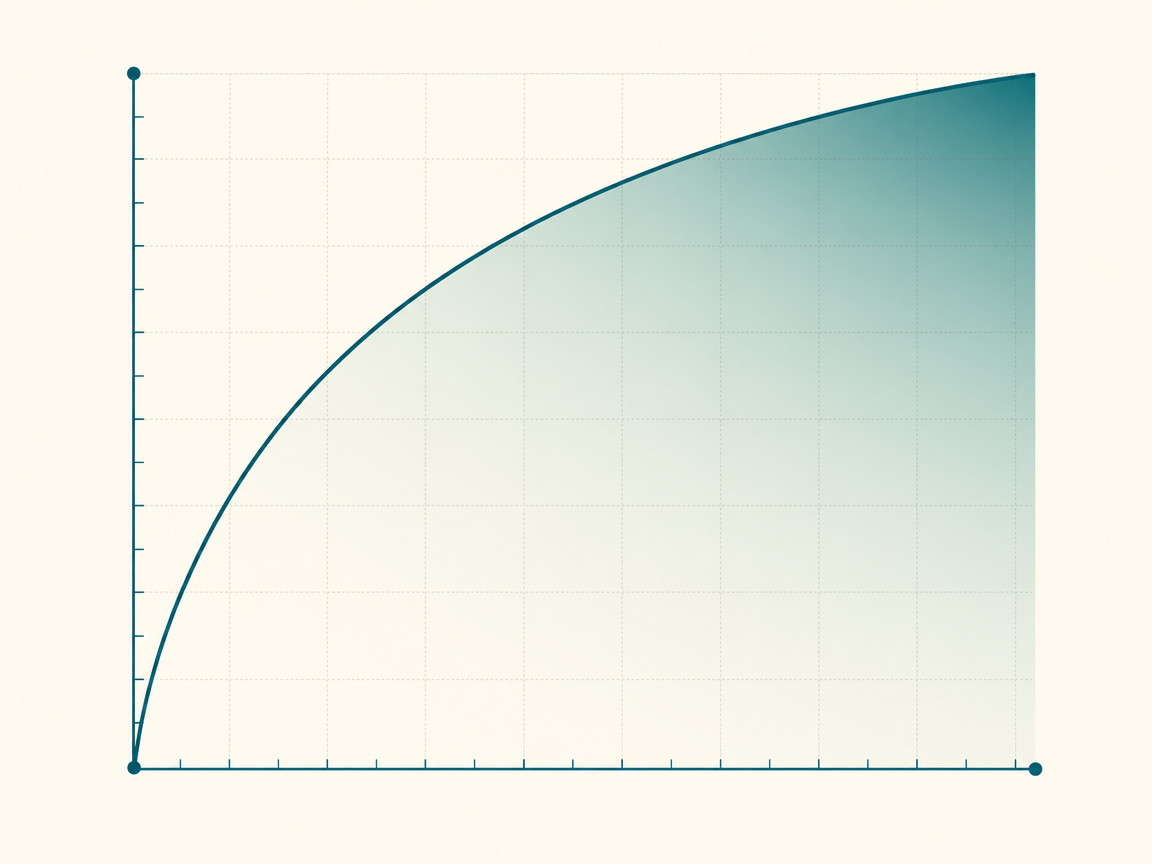
Here's the detail that changes how you should think about your timeline: DR is logarithmic, not linear. Moving from a DR of 20 to 30 might take a handful of decent backlinks over a couple of months. Moving from 70 to 80 can take a year or more of sustained, high-quality link acquisition. The scale gets exponentially harder to climb the higher you go. If your DR growth feels like it's stalling as you get stronger, that's not a failure. That's just how the metric works.
The Real Factors That Set Your Timeline
A few variables decide how fast you'll actually move.
Starting point matters more than people admit. A brand-new domain with zero backlink history behaves differently than an older domain that's picked up links passively over the years, even a mediocre or neglected one. Age alone doesn't build DR, but an existing link footprint gives you a head start that a fresh domain simply doesn't have.
Referring domain velocity is the metric that actually counts, not total backlinks. Ahrefs weighs the number of unique linking root domains far more heavily than raw link volume. Fifty links from the same five sites won't move your DR nearly as much as five links from five completely different, reputable domains.
Link quality decides how much each one is worth. One link from a DR 70 site can outweigh fifty links from DR 10 directories or low-effort guest post mills. Quality-over-quantity isn't a platitude here. It's arithmetic.
Your niche's competitiveness sets the pace. Finance, legal, and enterprise software sites compete for links against organizations with massive PR budgets and decades of accumulated authority. A niche hobby blog is playing an entirely different game, and its DR can climb faster simply because the competition for links is thinner.
Realistic Timelines by Scenario
If you're running a brand-new site, expect little to no DR movement in the first three months. That period isn't wasted, though. It's when you're building the content and outreach foundation that later links will actually point to.
Between months three and six, sites with consistent outreach usually see their first visible ticks upward. This is often when a few relevant, moderate-authority links start landing.
From six to eighteen months, an established site pushing into higher DR territory should expect the growth curve to flatten. Diminishing returns are normal here, not a sign that something's broken. A site adding five genuinely relevant referring domains a month during this phase is doing well, even if the DR number itself creeps up slowly.
What Actually Moves the Needle Faster
Digital PR and earned coverage consistently outperform guest post networks, because journalists and industry sites linking to you organically carry more weight than paid or reciprocal placements ever will. Internal linking and content clusters don't directly boost DR, but they help distribute the authority you do earn across more of your site, which supports rankings even between DR jumps. And disavowing toxic backlinks helps in specific cases, like a history of spammy link-building or a negative SEO attack, but it's rarely a shortcut. For most sites, disavow files do little to accelerate growth.
Common Mistakes That Stall Growth
The fastest way to sabotage your timeline is buying links from low-quality private blog networks. They can produce a short-term bump, but the long-term risk, including manual penalties, isn't worth it. Just as common is chasing DR as an end goal instead of a signal. The number matters only insofar as it reflects real authority that supports rankings and traffic. And expecting linear growth sets you up for disappointment. DR moves in a plateau-and-jump pattern, not a steady climb.
Setting the Right Expectation
Domain Rating is a lagging indicator. It tells you where your link profile has been, not where your traffic is headed next week. The question worth asking isn't "how long will this take." It's "am I doing the right things this month." Consistent, quality link-building compounds over time, and that compounding is what actually builds the kind of authority no single metric can fully capture.