Why Every AI Startup Needs a Directory Listing (Data-Backed Benefits)
Learn how AI startups can choose directories that reach the right users, create a clear product listing, and measure whether visitors take meaningful actions. The article also explains how to assess possible search benefits without assuming a directory link will improve rankings.

A new AI startup can have a useful product and still struggle to reach people beyond its own network. Why Every AI Startup Needs a Directory Listing (Data-Backed Benefits) is a practical question, but a listing is only worth pursuing if it helps the right users discover and try your product.
You’ll learn how to choose directories based on audience fit, write a clear listing that explains what your AI product does, and track whether visitors take meaningful actions. You’ll also see how to assess possible search benefits without treating a directory link as a guaranteed ranking boost. Use these steps to decide where to list, what to measure, and whether the results justify the time or cost.
Before listing your AI startup, define what success means
Before submitting to AI startup directories, decide who the product is for, what problem it solves, and what you want a visitor to do. A listing can attract the wrong audience if its message is broad. For example, if your tool summarizes customer calls for small sales teams, define a qualified visit as one from someone who works on a sales team, and choose a next step such as starting a trial.
Record a baseline before launch: relevant visits to your site and the conversion action you care about, such as trial sign-ups, demo requests, or another meaningful step. Use the same definitions afterward so you can compare results fairly. If you cannot separate directory visitors from other traffic, note that limitation rather than treating every conversion as a listing result.
Treat each listing as an acquisition experiment, not a guaranteed source of growth. Set a realistic evaluation period and decide what evidence would justify repeating or changing the test.
Understand how directories support product discovery
A directory listing can put your AI product in front of people already browsing for tools or solutions, giving it a discovery route beyond your own channels. On product discovery platforms, visitors may scan categories, compare options, or follow a launch feed. For example, someone seeking an AI tool to summarize meeting notes might find a new product while exploring a productivity category.
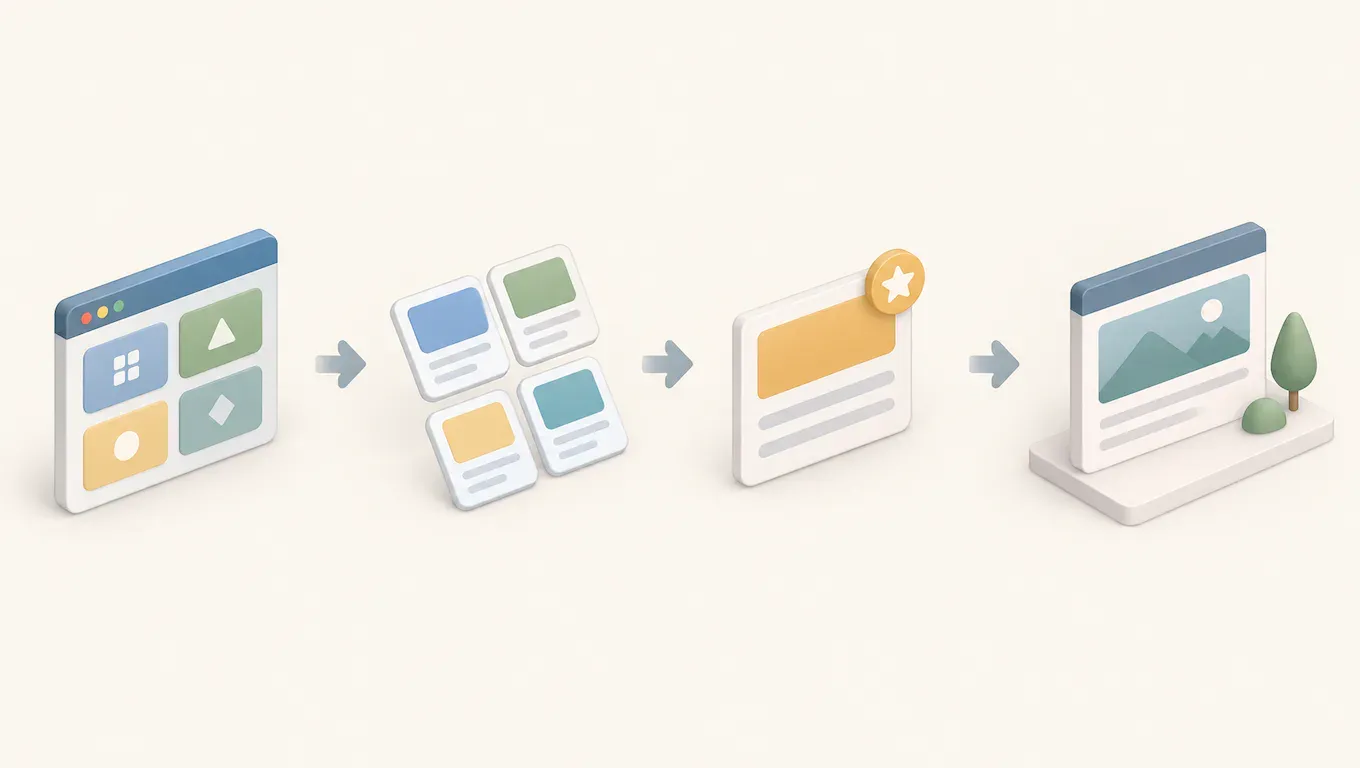
That path differs from search, where people enter a query, and social media, where visibility often depends on what appears in a feed. Referrals depend on someone sharing or recommending the product. A directory can introduce your startup to people who do not yet know its name, though a listing alone does not guarantee clicks or signups.
Audience fit matters more than the number of listings. A directory used by people looking for your type of product is more relevant than a broad platform whose visitors have little reason to try it. A focused listing can bring fewer views but more suitable prospects.
Choose directories that match your product and users
Check the audience and listing terms
A directory is worth considering when its visitors are likely to need your product and its categories describe what it does. Review recent listings and the submission rules before adding your startup directory listing. A tool for AI meeting notes, for example, may fit a SaaS launch directory better than a general directory with no software category.
Check what the listing includes, how long it stays live, and whether the directory keeps project pages available after a launch feature ends. These details affect whether the placement fits your goals.
Compare free and paid placements
A free listing can be a sensible way to test a directory’s fit. Paid placement may make sense when it provides relevant extra visibility or a feature your launch plan needs, but payment alone does not guarantee attention or results.
Compare the actual terms, not just package names. Confirm what each tier includes and whether paid placement changes where or how prominently your product appears. Treat homepage spots, backlinks, and other platform features as details to verify directly: packages and terms can change.
Write a listing that explains the AI product clearly
A useful directory listing starts with the problem a visitor wants to solve, not a sweeping claim about artificial intelligence. Describe what the product does in plain language, who it helps, and what task it makes easier. For example, a support tool might help small online stores draft replies to routine customer questions.
Keep the description concise, choose a category that reflects the product’s main use, and link to a destination page that explains that use. A homepage may work for a broad product, while a specific feature page can be clearer when the listing focuses on one task.
Be precise about capabilities. If the tool summarizes meeting notes, say that; do not imply it handles every part of follow-up unless it does. Specific, supportable claims help visitors decide whether the product fits their needs and give them a clear reason to click. Avoid unexplained technical terms that make the listing harder to understand.
Measure referral traffic and meaningful actions
Track visits and conversions
Use your analytics platform and campaign tracking parameters to identify visits from each directory. Label links consistently so you can separate directory referral traffic from other sources and compare listings.
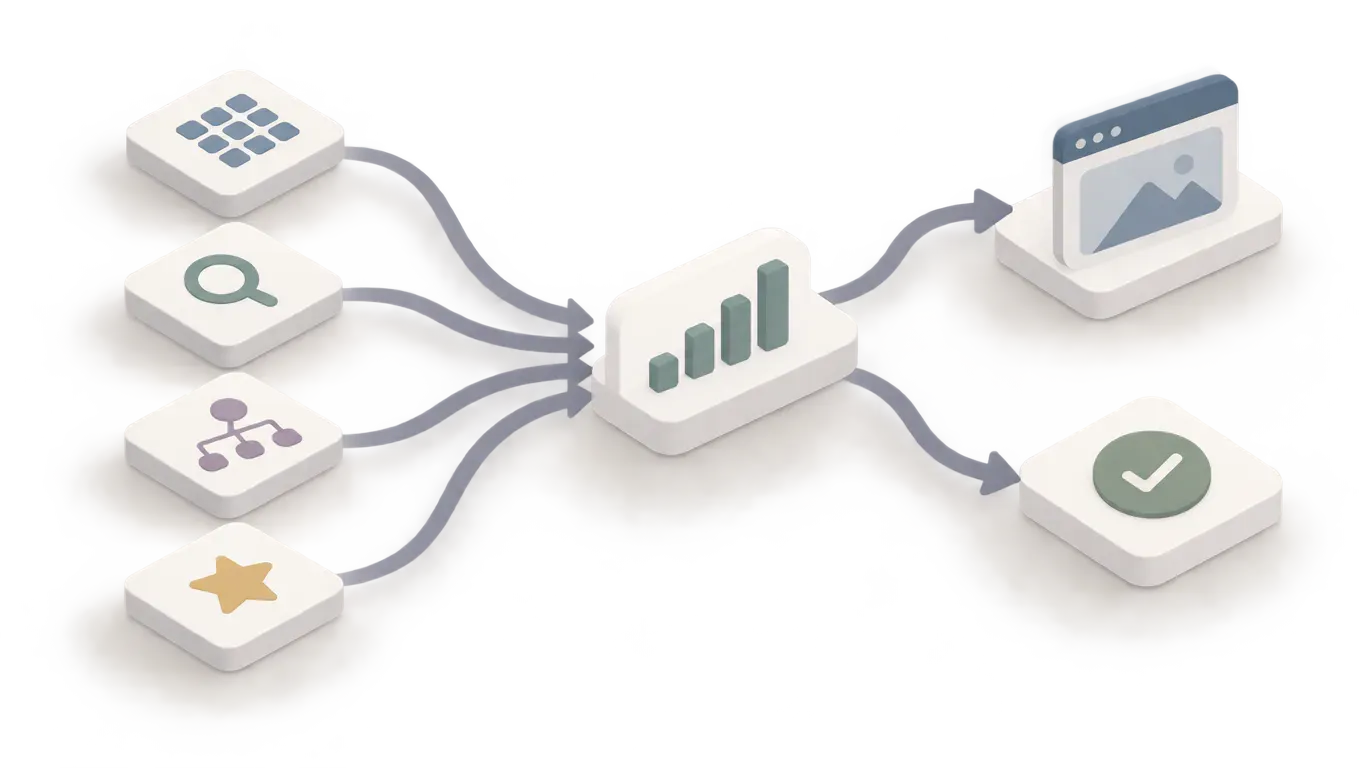
Clicks show that people reached your site, but they do not show whether those visits helped the business. Track actions tied to your goals, such as account sign-ups, trial starts, or demo requests. For example, if one listing sends fewer visitors but more qualified demo requests, it may be more useful than a listing with higher traffic and few inquiries.
Compare results with your baseline
Compare each listing’s results over the same observation period, using your usual traffic and conversion patterns as a baseline. A short burst of visits may look promising, but it is hard to interpret without a consistent window and context.
Note changes that could affect the numbers, such as a product launch, paid campaign, pricing update, or website redesign. If sign-ups rise while a directory listing is live, check whether other campaigns or product changes also contributed before crediting the listing.
Assess SEO and long-term discovery without assuming a ranking boost
A directory project page can give an AI product another place to be discovered, including through searches for a tool’s name or category. That added visibility is possible, not guaranteed: a listing or backlink does not prove that a site will rank higher. Search engines consider many factors, and the directory’s page may attract little search traffic.
Treat referral visits and search performance as separate signals. For example, track visits arriving from a directory separately from organic search impressions and clicks in your analytics and search tools. If referrals rise but search activity does not, the listing may still be useful as a direct discovery channel.
Before publishing, check how the directory handles project pages and links. Confirm whether the page stays live, whether search engines can access it, and whether links are marked in a way that may affect how they are treated. Do not count a backlink as an SEO result until your own search data shows a change, and avoid attributing changes to one listing without considering other factors.
Avoid common directory listing mistakes
Submitting to every product directory can waste time and money if its audience does not include your likely users or its terms do not fit your goals. A tool for finance teams, for example, may gain little from a directory used mainly by consumers. Check who uses the platform, what a listing includes, and whether paid placement renews automatically before submitting.
Vague descriptions can also weaken trust. Calling a product “an AI-powered solution for everything” tells visitors little about its purpose. Be specific about the task it handles, and avoid claims about accuracy, savings, or performance unless you can support them.
Keep the listing accurate after launch. If your product page moves or the tool changes, update the destination and description so visitors do not land on outdated information. Before renewing a paid placement, review the results against the goal you set for it. If it brings little relevant activity, pause and reassess rather than paying again by default.
Turn directory results into your next growth decision
Once a listing is live, use its visits and conversions to decide what to do next. Compare the results with the goal you set for that directory and with the performance of your other acquisition work. A small number of visits may still matter if they lead to qualified sign-ups; a larger number may not justify repeating the effort if visitors leave without taking action. Avoid judging the experiment against generic benchmarks that may not fit your product or audience.
Use the evidence to choose one next move: improve the listing, repeat the placement, or stop. For example, if visitors arrive but few sign up, clarify the product description or call to action before testing again. If a listing brings relevant prospects who convert, consider another placement while tracking its results separately.
For your next test, select one directory that fits your product, prepare a clear listing, and record visits and meaningful actions so you can make the next decision from your own data.
Make directory listings a measurable growth test
Treat a directory listing as a focused acquisition test, not a shortcut to growth. Start by choosing one directory whose audience matches your product, then write a clear listing that explains the problem it solves and points visitors to a relevant page. Before publishing, record your baseline and decide which action matters, such as a signup or demo request. Avoid submitting everywhere or paying for added visibility before checking the audience, terms, and likely value. After a consistent observation period, compare referral visits and meaningful conversions with your baseline and other acquisition work. If the listing brings relevant visitors who take the action you want, consider improving or repeating the test. If it does not, use the results to adjust the listing or move on.
Frequently asked questions
How long should a startup test a directory listing before deciding whether it works?
Set a review period that gives the listing time to attract visitors, then compare results with your goal and other acquisition channels. The right period depends on how much traffic the directory receives and how quickly visitors take action. Record the start date and avoid judging the listing from a brief spike alone.
Should an AI startup pay for a featured directory placement?
Pay only when the directory’s audience, placement terms, and expected actions fit your goals. Check what the fee includes, whether the placement is clearly identified as paid, and whether you can track resulting visits or sign-ups. A paid position does not guarantee qualified traffic, conversions, or improved search rankings.
What should a startup do if a directory sends visitors but no sign-ups?
Check whether the visitors match your intended audience and whether the page they land on makes the next step clear. Compare their behavior with traffic from other sources, and review the listing’s description and call to action. If the visitors are relevant but do not convert, the landing page or offer may need attention.
Can one directory listing create lasting discovery for an AI product?
It may keep sending visitors while the listing remains available and relevant, but continued traffic is not guaranteed. Directory pages can change, and search visibility depends on factors beyond a listing or backlink. Treat any lasting discovery as something to measure over time, not an outcome to assume.


