How to Build Long-Term Search Presence for your SaaS Launch
Launch day brings a burst of traffic, but without the right foundation, that visibility vanishes within days. Learn how to turn a one-day spike into compounding organic growth—from verifying site indexability and securing permanent launch-platform backlinks to publishing high-intent problem and comparison pages on a sustainable schedule.
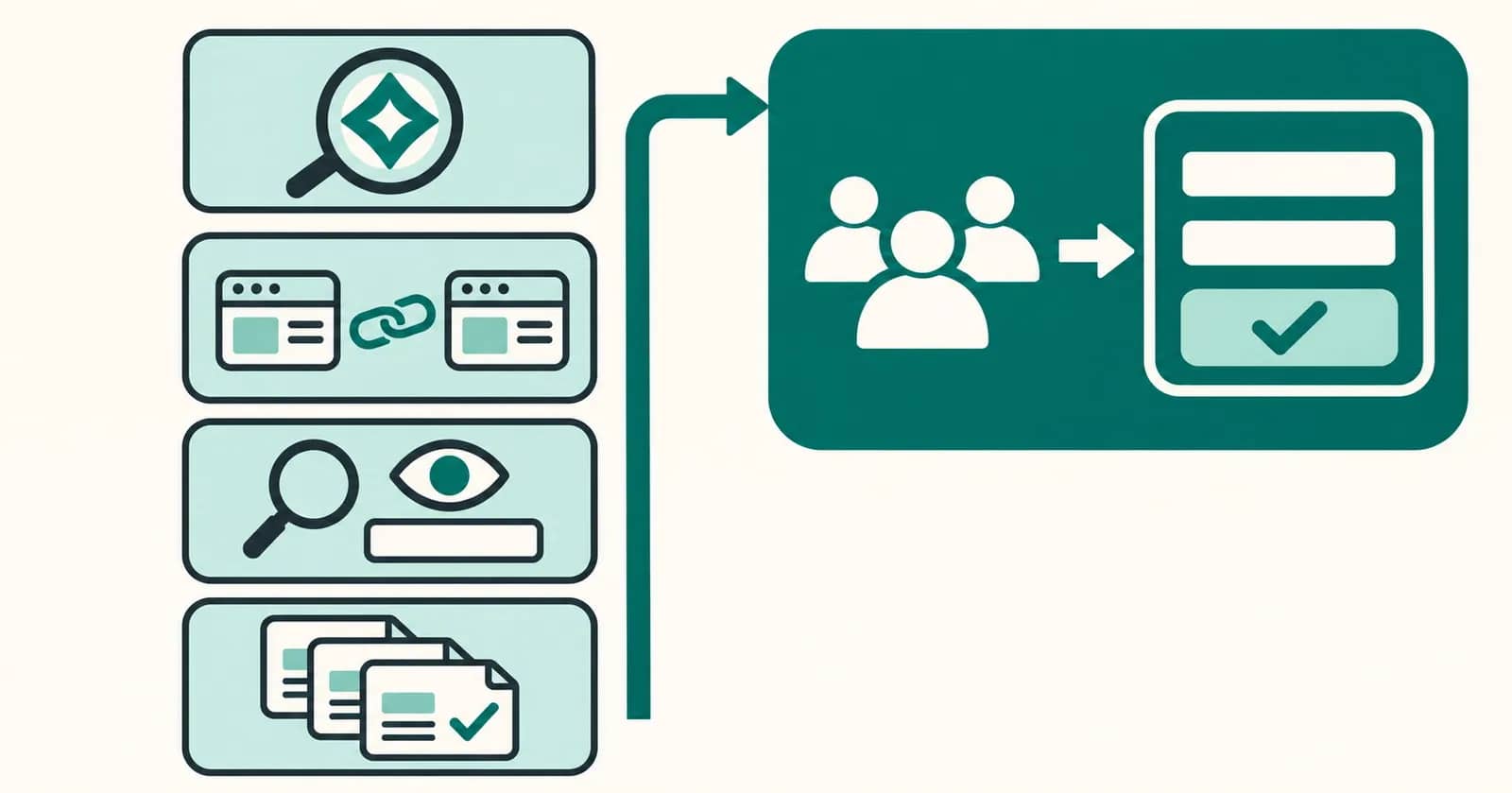
Launch day brings a burst of traffic, and then it fades within days and leaves nothing behind. Building long-term search presence means making sure something stays after the spike: pages that rank, links that keep working, and content people find months later.
You don't need a big team or an SEO budget to do this. You need to set up a few things before launch, treat every launch listing as a permanent asset, and publish pages that match what searchers actually type. A brand-new domain has little authority, so the order of those steps matters.
After the launch, a handful of steady habits keep the momentum going, and a few simple checks show whether it's working. By the end, you'll have a plan that turns one launch day into search visibility that grows.
What to have in place before you launch
Launch day sends traffic, but long-term search presence starts with a site Google can actually read. Get this foundation right first.
Make the site crawlable and clear
Check that search engines can crawl and index your key pages. New website SEO often fails on a leftover noindex tag or a blocked path in robots.txt from the staging site. Test your homepage, pricing page, and main feature pages.
Then rewrite the homepage in plain words: what the product does, who it's for, and why it's better. That page anchors everything else.
Pick your first target queries
Nobody searches for your brand name yet, so SaaS SEO starts with problems and alternatives. Suppose you built an invoicing tool for freelancers. Target "how to invoice international clients" and "[competitor] alternative" rather than your product name.
You're set when your key pages are indexed, each target query has one main page, and a short list of queries is written down.
Treat launch day as a source of permanent assets
The traffic spike fades within days. A permanent project page and the links pointing to it keep working, so favor launch options that leave something behind. That is the core of product launch SEO, and it supports building long-term search presence.
Listings and project pages that stay live
A launch platform listing is one example. Pro Launch, for instance, offers free and paid listings that include a homepage spotlight, a permanent project page, and backlinks. The spotlight is temporary. The project page and links are what remain.
Keep your product name, description, and link identical everywhere you list. Point each listing at the page that best matches it, not just the homepage.
Backlinks worth keeping
Launch day backlinks only help when they are relevant and lead to a real page. Suppose you collect fifty links from unrelated directories that point to a thin page. You have little to show for it. One link from a relevant product listing that lands on a useful page does more.
Choose fewer, better placements over volume.
Publish content that matches what searchers want
A solid SaaS content strategy starts small: a few pages that answer what buyers type before they know your name.
Start with problem and comparison pages
Pick three to five queries. Two might be problem-focused ("how to automate invoice reminders") and one a comparison ("Tool A vs. Tool B for freelancers"). Give each page one query, one intent, and one clear next step, such as a trial signup or demo.
Teams short on time can hire a dedicated SEO article, including a paid one from a platform like Pro Launch. Quality and usefulness still decide results, so judge any draft by whether it answers the query better than what already ranks.
Link every article back to the product
Add internal links from each article to your product and feature pages, so authority flows to the pages that convert. For example, a post on invoice reminders should link to your reminders feature page, using descriptive anchor text.
A sustainable pace for a small team is one solid article every two weeks. Steady publishing builds long-term search visibility better than a burst followed by silence.
Keep building in the weeks after launch
Launch day gives you a spike. The weeks after decide whether it turns into steady organic traffic, so set a routine small enough to survive a busy week: publish or update one page, earn or request one relevant link, and check what showed up in search.
Use real language from your users. Suppose three people email support asking how your tool connects to their accounting software. That is a page, or a section you add to an existing one. Launch-day comments and feedback work the same way.
Look for extra exposure, such as guest posts, directory listings and partner mentions, but only where readers match your product. A link from an audience that will never buy adds little.
Rankings for a new domain build gradually, and no one can promise a timeline. Some pages may take months to show up, and some never will. Consistency matters more than any single week's output.
Measure progress and avoid common mistakes
Signals to track
Traffic and signups come late, so watch the earlier signals first: how many pages Google has indexed, which queries show impressions, how many sites link to you, and whether people search your brand name. Search Console covers the first two.
Review these monthly. Expand pages that gain impressions, merge pages that compete for the same query, and drop pages that never get picked up.
For example, suppose a comparison page shows plenty of impressions but few clicks. The title reads "Product Comparison." Rewrite it to name the exact match, such as "Tool A vs. Tool B: Which Fits a Small Team?", and have the description state who it helps and what they will learn.
Mistakes that undo the work
Leaving indexing blocked by a leftover noindex tag or robots rule from staging.
Publishing thin or duplicate pages that add nothing new.
Targeting queries where searchers want something your page does not offer.
Buying low-quality links instead of earning relevant ones.
Stopping after launch week, when the compounding has barely started.
Turn your SaaS launch into lasting search visibility
A launch gives you a spike. Search visibility comes from what stays behind: pages that are indexed, a few queries you chose on purpose, and links pointing to real pages. Three things matter most. Make sure search engines can crawl your key pages, publish content that answers what buyers type before they know your name, and keep a steady weekly routine after launch week.
Start today by checking that no leftover noindex tag or blocked path remains from development. The pitfall to avoid is stopping once the launch buzz fades.
You will know it's working when more pages are indexed, more queries show impressions, new sites link to you, and people begin searching for your brand by name. Traffic and signups come later, and nobody can promise a timeline for a new domain.


