How to Promote a Startup Product Without Paid Ads
Paid ads feel like a quick fix, but they stop working the second your budget runs out. Discover a practical, zero-budget playbook to promote your early-stage startup organically using launch platforms, community engagement, and founder-led content.
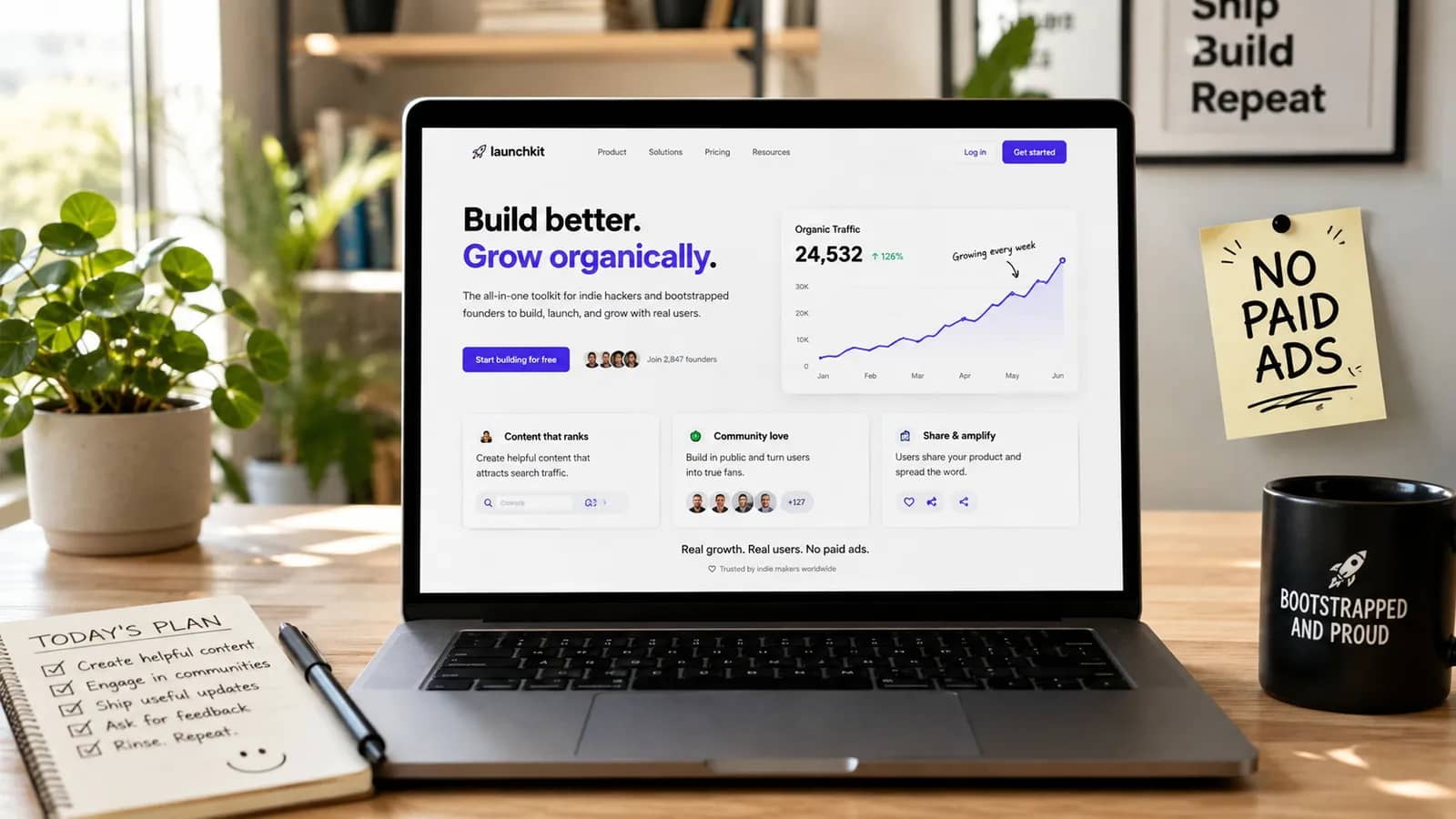
Most early-stage startups run out of cash before they run out of ideas. Paid ads feel like the fastest fix, yet they burn money and stop working the moment you pause the budget. Organic promotion takes longer at first, but it builds something that keeps delivering users after you close the laptop.
Here’s a practical playbook that works when you have more time than money.
Use launch platforms and directories the right way
Sites that collect new products already have an audience looking for the next tool. Submit your product to relevant directories and launch platforms. A good listing gives you a concentrated burst of traffic plus backlinks that help search engines notice you.
Treat the launch day as one spike, not the whole plan. Prepare a short follow-up sequence: a thank-you note to early users, a quick update post, and a clear next step for people who sign up. Platforms that offer a permanent project page keep driving visits long after the initial wave fades. The backlinks alone are worth the effort for a new domain.
Build in public and publish useful content
People follow founders more readily than polished brand accounts. Share the real process—decisions, dead ends, small wins. Post on LinkedIn, X, or a simple blog. Focus on the problems your target users already search for.
One clear guide that solves a specific pain point can bring steady traffic for months. You don’t need daily essays. Two solid posts a week, written in plain language, outperform a flood of generic updates. Consistency matters more than perfect production value.
Show up in the communities your users already use
Reddit, indie forums, Slack groups, Discord servers, and niche Facebook communities are full of people talking about the exact issues your product addresses. The rule is simple: give value first. Answer questions, share what you’ve learned, and only mention your product when it genuinely helps someone.
A single helpful comment or post that feels native to the group often converts better than a week of cold messages. Track which communities send real sign-ups so you can spend more time where it counts.
Reach out directly without sounding like spam
Warm introductions beat cold blasts. Start with people who already know you or who have engaged with similar tools. Reference a specific post, problem, or comment they made. Keep the message short and focused on starting a conversation rather than closing a sale.
Early users who feel heard often become your best advocates. Set a realistic daily or weekly quota so outreach stays sustainable instead of turning into a source of dread.
Turn your first users into a growth channel
Ask satisfied customers for short testimonials and referrals. A simple incentive—extra credits, early access to a new feature, or a public shout-out—works without complicated software. Collect the feedback and display it where new visitors can see it. Social proof compounds faster than most campaigns.
Build a small but useful email list
Even a basic lead magnet (a checklist, template, or short guide) lets you stay in touch after someone leaves your site. Email still converts better than most social channels for product updates and launches. Keep the list clean and the messages genuinely helpful. No daily noise.
Track results and cut what doesn’t work
Look at sign-ups, activation rates, and traffic sources every couple of weeks. Drop the tactics that only create activity. Double down on the two or three channels that actually bring users who stick around. Organic growth is slow at the beginning. Give each method enough time before you decide it’s not working.
You don’t need a big marketing budget. You need focus and the discipline to keep showing up in the places your future customers already spend time. Pick two organic channels that fit your product, execute them for 60–90 days, and measure what moves the needle. The startups that grow without paid ads treat promotion as a core skill rather than an afterthought.


