How to Get Backlinks for a New SaaS Website Without an Agency
Domain rating sitting near zero after launching your new SaaS? You don't need a high-priced agency or a massive budget to start ranking. Discover a practical, 30-day link-building path designed for solo founders—covering foundational directory listings, lightweight outreach tactics, and linkable assets that generate sustainable organic leads.
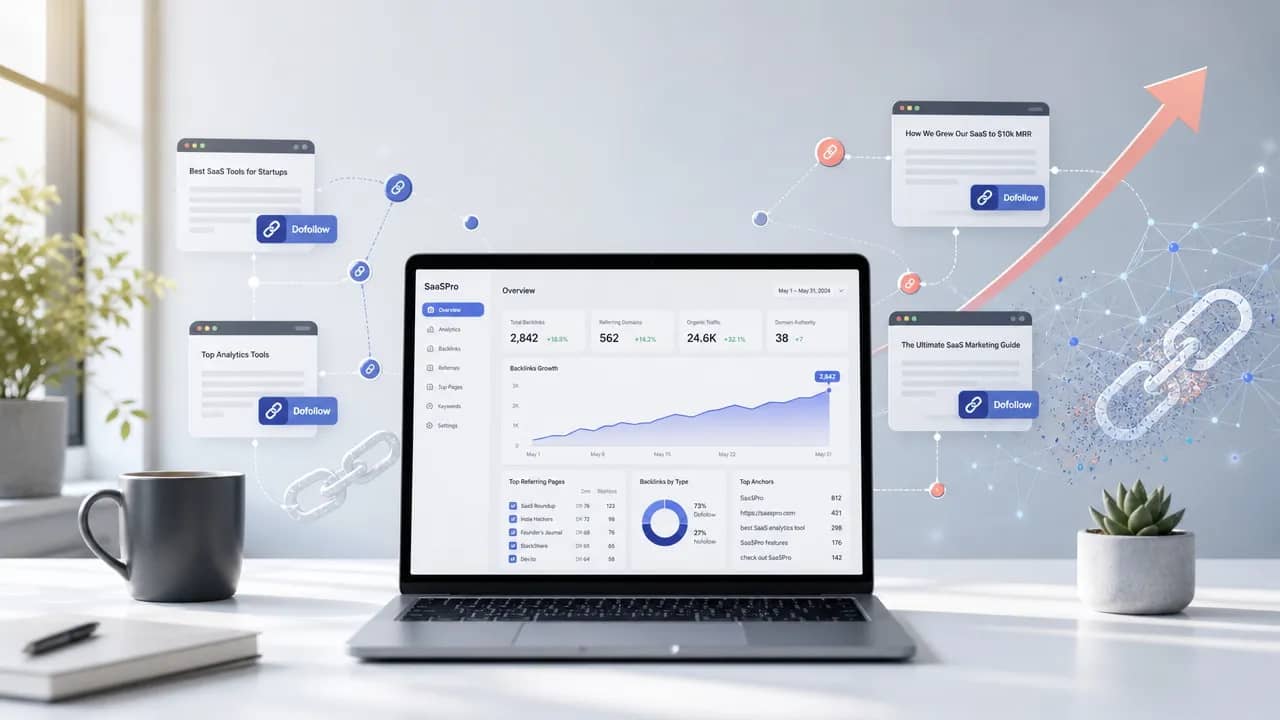
You just shipped your product. The site is live. Early users are trickling in. Yet Google barely notices you exist. Domain rating sits near zero and organic leads feel like a distant goal. Most new SaaS sites start in exactly this spot.
Backlinks remain one of the clearest signals search engines still trust. A few relevant ones from solid domains can lift your DR, help pages rank faster after product launch, and pull in traffic that actually converts. You do not need an agency or a big budget to start. You need focused effort and the right places to spend it.
Here is a practical path that works for founders and solopreneurs who already wear too many hats.
Claim the High-Authority Listings First
Start with platforms that already carry weight and actively list new tools. Product Hunt still delivers one of the strongest early signals. A clean launch page plus consistent engagement on launch day often produces a lasting profile link and secondary mentions from people covering the day’s top products. Aim for a Tuesday or Wednesday. Prepare your tagline, screenshots, and a short maker comment in advance.
Next, complete profiles on G2, Capterra, AlternativeTo, Crunchbase, and a couple of niche directories that fit your category. These take an afternoon. Many are free. The referring domains they give you raise baseline DR faster than almost any other zero-cost move. They also put your product in front of people already comparing options, which helps turn visibility into leads.
Skip the generic web directories. Focus only on places your target users actually browse.
Build One Asset Worth Linking To
Directories give you a base. Content that other people want to reference keeps the links coming. You do not need a 50-page report. A simple calculator, a clean template, a short benchmark drawn from your own (anonymized) usage data, or a practical comparison page often works better.
Make the asset solve a real problem your product already addresses. Publish it on its own URL. Share it once in the communities where your users hang out. Over time, writers and other founders link to useful tools without you chasing them. That passive growth supports both higher DR and a steady stream of relevant visitors.
Use Lightweight Outreach That Fits a Solo Schedule
Journalist request platforms such as Featured.com and Connectively still surface opportunities. Check them a few times a week. Respond only when you have a specific, concrete angle from building your product. Short, clear answers get used more often than polished essays.
Watch for unlinked brand mentions once people start talking about you. A polite note pointing to the correct URL converts many of them. Broken-link building works the same way: find a dead resource page in your niche and offer your asset as a replacement. Both approaches take less time than traditional cold guest-post pitching and still produce relevant links.
When you do guest post, target smaller SaaS and startup blogs in the DR 30–60 range. Pitch one clear topic that helps their readers. One solid placement every few weeks compounds better than spraying generic pitches across dozens of sites.
Show Up Where Founders Already Gather
Indie Hackers, relevant subreddits, Hacker News, and Dev.to reward people who share real numbers and lessons. Post about what you learned during product launch. Mention the tool only when it fits the conversation. Profile links and occasional post links from these high-authority domains add up without feeling forced.
If your product integrates with other tools, ask those partners for a mention on their integrations page. These links tend to stay relevant and carry solid authority.
A Simple 30-Day Rhythm
Week one: finish the core directory and profile submissions.
Weeks two and three: publish one linkable asset and answer a handful of journalist queries.
Week four: do light outreach and share progress in one or two communities while checking early referral traffic.
Track referring domains and DR movement with free tools. More important, watch whether the new traffic produces leads. That is the real measure.
Avoid buying links, mass directory spam, and any scheme that looks unnatural. Those shortcuts can stall progress or create problems later. Consistent, relevant placements from sites your audience already trusts move the needle without the risk.
You can raise domain rating and start generating more leads after product launch without handing the work to an agency. The tactics above require focused hours rather than a full-time SEO team. Start with the directories this week. The rest builds from there.