
Preparing a Mahindra Thar for Off-Road Trips: A Thar Accessories Guide
Beyond the Look: What Your Thar Actually Needs Off-Road
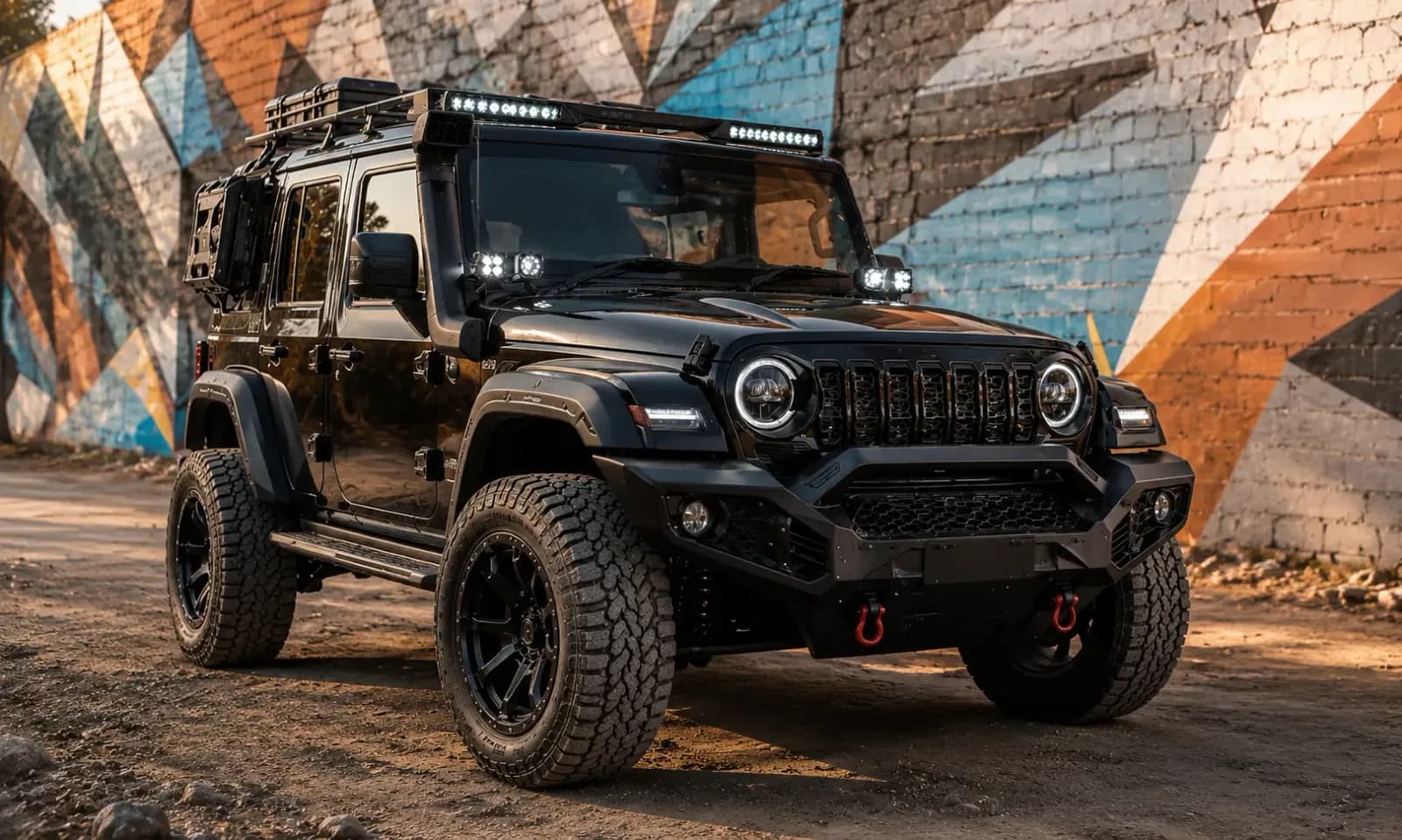
There's a specific kind of anxiety that comes with taking a stock Thar off tarmac for the first time — not because the vehicle can't handle it, but because you're not entirely sure what's going to scrape, snag, or give way. This guide is about closing that gap: the accessories that genuinely matter when a Thar is headed off the paved road, based on what actually gets used and tested on rough terrain, not just what looks the part.
Understanding Thar Accessories
For off-road preparation specifically, accessories fall into two priorities that matter far more than styling: protection (keeping the vehicle intact when things go wrong) and capability (making the vehicle better suited to rough terrain in the first place). A vehicle can look completely stock and still be well-prepared for a trail if these two categories are covered properly; conversely, a heavily styled Thar with no underbody protection is genuinely more exposed on rough terrain than it looks.
Types of Thar Accessories
Underbody Shield
This is the accessory that separates trip preparation from wishful thinking. Off-road terrain — rocks, ruts, exposed roots — poses a direct risk to the chassis, fuel line, and other components running along the underside of the vehicle. The underbody shield, typically a durable metal plate mounted beneath the vehicle, absorbs impact that would otherwise reach these components directly. For anyone planning genuine off-road use, this isn't optional — it's the accessory that prevents a scraped rock from becoming a stranded vehicle and an expensive tow.
Lift Kit
A lift kit increases ground clearance, directly affecting the vehicle's approach and departure angles on uneven terrain. The mistake many first-time off-roaders make is oversizing this — buying more lift than the terrain they'll realistically encounter requires. A taller lift changes the vehicle's center of gravity and can affect handling on regular roads, so it should be sized to actual planned use, not maximum theoretical capability. For moderate trail use — gravel tracks, light rutted paths — a modest lift combined with wheel spacers is often more sensible than an aggressive lift kit built for rock crawling.
Wheel Spacers
Wheel spacers widen the stance slightly, which can improve stability on uneven or sloped terrain. They're a smaller, lower-cost alternative or complement to a full lift kit, and worth considering for owners doing moderate off-roading who don't need the full clearance increase a lift kit provides.
Side Steps and Ladders
On rough terrain, a stock Thar's ride height combined with muddy or uneven ground makes cabin entry and exit noticeably harder than it is on flat pavement. A side step helps here, giving a stable point of entry regardless of terrain. For owners running a roof rack loaded with gear, a ladder adds the further benefit of roof access mid-trip — useful for retying a tarp or repositioning cargo without needing to climb the body directly.
Roof Racks and Side Storage
Multi-day off-road trips change what packing means. A roof rack handles bulk gear — tents, jerry cans, recovery boards — while side storage boxes handle smaller items that need to stay dry and accessible without opening the boot mid-trail. Weight capacity matters here more than on daily-use accessories; it should be checked against actual gear weight before a trip, not assumed.
Bumper
For genuine off-road use, bumper choice affects more than looks. A heavier-duty bumper typically offers better approach angle geometry and, in some configurations, proper recovery mounting points — relevant if winching or being winched out is a realistic scenario on the planned route. This is a case where the functional case for upgrading is stronger than the cosmetic one, even though the two often get marketed together.
Bumper Reflectors and Lighting
Trail driving doesn't always end before dark, and visibility matters more on unlit off-road tracks than on lit city roads. Fog lamps and auxiliary lamps extend usable driving time into low-light conditions; underbody lights can help with visibility during recovery situations or nighttime vehicle inspection. As with all lighting, wiring-based installations should be handled by a qualified mechanic — this matters even more before a remote trip, where an electrical fault has fewer easy fixes available.
Alloy Wheels and Tyres
While alloy wheels are often chosen for looks, wheel and tyre choice genuinely affects off-road performance — an all-terrain or mud-terrain tyre setup matters more for trail capability than most cosmetic accessories combined. This is worth researching separately from the styling-focused accessory categories, since tyre choice has a much larger functional impact on off-road ability than most bolt-on parts.
Windscreen Bracket and Flag Rod
Smaller, easily overlooked accessories — a windscreen bracket provides a stable mounting point for auxiliary lighting, useful for trail driving specifically. A flag rod is more relevant for group convoy trips, where visible identification of individual vehicles matters on dusty or spread-out trails.
Choosing Accessories for a Mahindra Thar
For light off-roading — gravel tracks, mild rutted paths, occasional monsoon-affected roads — an underbody shield and possibly wheel spacers cover most of the real risk. For serious trail use — rock crawling, sustained rough terrain, remote touring — a proper lift kit, a recovery-capable bumper, and thorough underbody protection become closer to essential. For multi-day touring, storage capacity (roof rack, side boxes) and reliable lighting matter as much as protection. For occasional weekend trips that mix tarmac and light trail, a moderate setup — underbody shield, side step, decent lighting — usually covers the realistic use case without over-investing in capability that won't get used.
Compatibility with Mahindra Thar Variants
Lift kits and wheel spacers need to be matched precisely to the specific Thar 4x4 variant's suspension geometry — a mismatch here isn't just a fitment inconvenience, it can affect handling safety. Underbody shields and side steps generally have more standardized fitment across Thar variants but should still be confirmed against the exact trim before purchase, particularly for bolt-on mounting points that can differ by model year.
Common Mistakes Thar Owners Make
The most common off-road preparation mistake is skipping the underbody shield in favor of more visible accessories — it's the least exciting purchase on this list and the most consequential to skip. Oversizing a lift kit beyond what the actual planned terrain requires is another frequent error, adding cost and daily-driving compromise without proportional trail benefit. Buying a cheap, poorly rated ladder or side step that flexes or fails under real off-road stress is a mistake that tends to surface at the worst possible moment — mid-trail, far from a repair shop. Ignoring tyre and wheel setup while focusing entirely on bolt-on accessories is another gap; no amount of underbody protection compensates for the wrong tyre on the wrong terrain. Finally, neglecting post-trip inspection — not checking underbody shield mounts, ladder bolts, or bumper attachment points after a rough trail — lets small issues go unnoticed until they become bigger ones on the next trip.
Frequently Asked Questions from Real Mahindra Thar Owners
Which Thar accessories should I install first before off-roading?
An underbody shield is the top priority, followed by a properly sized lift kit or wheel spacers if the terrain demands it.Is a Thar front grill relevant for off-road preparation?
Not directly — grill choice is cosmetic and doesn't affect off-road capability.Does a Mahindra Thar grill fit all variants?
Grill fitment varies by model year, so it's not directly relevant to off-road prep but worth confirming if replacing one anyway.Is a side ladder for Thar useful in off-road conditions?
Yes, especially for owners running a loaded roof rack who need mid-trip access.What is a Thar defender kit?
It's a term some owners use when searching for underbody protection; the relevant available product is the underbody shield.Will aftermarket Thar accessories affect warranty?
This depends on the specific accessory and dealer policy — worth checking before major off-road-focused modifications.Which front grill for Thar gives the most rugged look?
This is a cosmetic question separate from off-road function — vertical-slat and mesh designs tend to look more rugged.Can I install a Thar bonnet visor myself for a trip?
Most bonnet visors are simple installs, but they don't add off-road function, only wind deflection and styling.Which Thar accessories improve resale value after off-road use?
Well-maintained protection accessories like underbody shields can support resale better than heavily modified, trail-worn styling parts.How often should I inspect off-road accessories?
After every serious trail trip, checking mounting points on the underbody shield, ladder, and bumper.Are ABS grills durable enough for off-road dust and debris?
They hold up reasonably well, though they're not a structural or protective accessory.Which Thar modification accessories are actually useful off-road, versus just cosmetic?
Underbody shields, lift kits, wheel spacers, and a proper bumper are functional; grills and bonnet scoops are cosmetic.How much lift do I actually need for moderate trail use?
Often less than owners assume — a modest lift with wheel spacers covers most moderate terrain.Is a heavy-duty bumper necessary for occasional off-roading?
Not always — it depends on whether recovery capability and approach angle genuinely matter for the planned trips.What's the biggest off-road preparation mistake new owners make?
Skipping the underbody shield in favor of more visible, cosmetic accessories.Do I need side storage boxes for a single-day trip?
Usually not — they matter more for multi-day trips with more gear.How do I know if my ladder or side step is off-road rated?
Look for solid steel construction with a clear weight rating rather than the cheapest available option.What should I check after a rough trail drive?
Underbody shield mounting, ladder or side step bolts, bumper attachment points, and lighting connections.
Conclusion
Off-road preparation for a Thar isn't really about how the vehicle looks once it's ready — it's about what happens when a rock scrapes the underside or a trail turns rougher than expected. The accessories that matter most here are rarely the most photogenic ones. An underbody shield, correctly sized lift kit, and solid ladder or side step will do more for a genuinely difficult trail than any amount of exterior styling, and that's worth remembering before the budget gets spent on looks instead of readiness.
Website
Visit Website
stellar4x4.com
Publisher


